Satwik Enterprises | 360-Degree Marketing & Manpower Solutions

  • Erleben Sie die Vielfalt der Casinospiele mit Anbietern wie Spinboss, die Ihnen eine beeindruckende Auswahl an Slots, Live-Dealer-Spielen und lukrativen Boni bieten.

  • Con una vasta selezione di slot emozionanti e jackpot mozzafiato, su Allyspin casino puoi vivere un’esperienza di gioco unica e avventurosa ogni giorno della settimana.

  • Experimente a emoção dos slots nos melhores casinos online, onde jackpots incríveis e ofertas de bônus podem transformar sua experiência de jogo em algo verdadeiramente especial.

  • Vyzkoušejte rozmanité hry a poskytovatele ve Spinanga casino, kde najdete vše od vzrušujících výherních automatů po živé dealery a těšte se na atraktivní bonusy.

  • Home
  • About Us
    • About Company
    • Founder’s Journey
    • Testimonials
  • Our Services
    • Integrated Marketing
      • ATL Marketing
      • BTL Marketing
      • Event Marketing
      • OOH Advertising
      • Retail Activations
    • Digital Marketing
      • Creative & Content Services
      • Web Solutions
      • Search & Social Marketing
      • Influencer & Digital Strategy
    • Manpower Solutions
      • Blue Collar Workforce
      • Corporate Staffing
      • Security Services
      • Specialized Roles
    • Talent Development
      • Job Fairs
      • Training Programs
    • Political Services
  • Industries
    • FMCG & Consumer Goods
    • Telecommunications
    • Automotive & Paint
    • Political Consulting
  • Clients & Case Studies
  • Blog
  • Contact Us
  • Erleben Sie die Vielfalt der Casinospiele mit Anbietern wie Spinboss, die Ihnen eine beeindruckende Auswahl an Slots, Live-Dealer-Spielen und lukrativen Boni bieten.

  • Con una vasta selezione di slot emozionanti e jackpot mozzafiato, su Allyspin casino puoi vivere un’esperienza di gioco unica e avventurosa ogni giorno della settimana.

  • Experimente a emoção dos slots nos melhores casinos online, onde jackpots incríveis e ofertas de bônus podem transformar sua experiência de jogo em algo verdadeiramente especial.

  • Vyzkoušejte rozmanité hry a poskytovatele ve Spinanga casino, kde najdete vše od vzrušujících výherních automatů po živé dealery a těšte se na atraktivní bonusy.

  • Home
  • About Us
    • About Company
    • Founder’s Journey
    • Testimonials
  • Our Services
    • Integrated Marketing
      • ATL Marketing
      • BTL Marketing
      • Event Marketing
      • OOH Advertising
      • Retail Activations
    • Digital Marketing
      • Creative & Content Services
      • Web Solutions
      • Search & Social Marketing
      • Influencer & Digital Strategy
    • Manpower Solutions
      • Blue Collar Workforce
      • Corporate Staffing
      • Security Services
      • Specialized Roles
    • Talent Development
      • Job Fairs
      • Training Programs
    • Political Services
  • Industries
    • FMCG & Consumer Goods
    • Telecommunications
    • Automotive & Paint
    • Political Consulting
  • Clients & Case Studies
  • Blog
  • Contact Us

Satwik Enterprises | 360-Degree Marketing & Manpower Solutions

Satwik Enterprises | 360-Degree Marketing & Manpower Solutions

  • Erleben Sie die Vielfalt der Casinospiele mit Anbietern wie Spinboss, die Ihnen eine beeindruckende Auswahl an Slots, Live-Dealer-Spielen und lukrativen Boni bieten.

  • Con una vasta selezione di slot emozionanti e jackpot mozzafiato, su Allyspin casino puoi vivere un’esperienza di gioco unica e avventurosa ogni giorno della settimana.

  • Experimente a emoção dos slots nos melhores casinos online, onde jackpots incríveis e ofertas de bônus podem transformar sua experiência de jogo em algo verdadeiramente especial.

  • Vyzkoušejte rozmanité hry a poskytovatele ve Spinanga casino, kde najdete vše od vzrušujících výherních automatů po živé dealery a těšte se na atraktivní bonusy.

  • Home
  • About Us
    • About Company
    • Founder’s Journey
    • Testimonials
  • Our Services
    • Integrated Marketing
      • ATL Marketing
      • BTL Marketing
      • Event Marketing
      • OOH Advertising
      • Retail Activations
    • Digital Marketing
      • Creative & Content Services
      • Web Solutions
      • Search & Social Marketing
      • Influencer & Digital Strategy
    • Manpower Solutions
      • Blue Collar Workforce
      • Corporate Staffing
      • Security Services
      • Specialized Roles
    • Talent Development
      • Job Fairs
      • Training Programs
    • Political Services
  • Industries
    • FMCG & Consumer Goods
    • Telecommunications
    • Automotive & Paint
    • Political Consulting
  • Clients & Case Studies
  • Blog
  • Contact Us
Author: satwik
Home satwik Page 27
03 JunSearch Engine Optimization

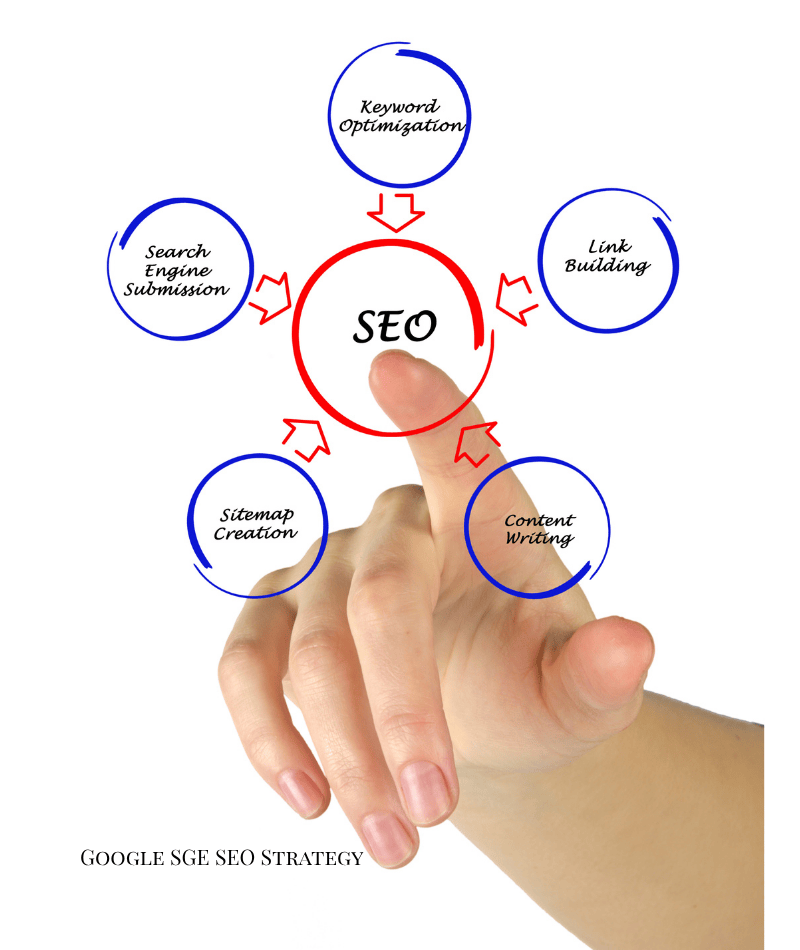
Google SGE SEO Strategy: Adapt for Maximum Visibility

Understanding Google SGE

Google SGE SEO strategy is a response to Google’s integration of generative AI into search results. Instead of presenting a list of links, Google SGE offers synthesized answers derived from multiple authoritative sources. This transforms user behavior, influencing both engagement and visibility.

The new system emphasizes context, intent, and completeness. Users now interact with more dynamic content—search results have evolved into conversational summaries, pushing organic listings further down the page. These changes require marketers to rethink how their content is structured and presented.

To stay competitive, businesses must analyze their Google SGE SEO strategy and refine their content approach. The impact of this shift is ongoing, and only those prepared will remain visible in an AI-powered search landscape.

Why Google SGE Matters for SEO

A strong Google SGE SEO strategy can significantly enhance your website’s presence in generative search. Google is now valuing clear, structured, and trustworthy information—particularly for complex queries.

Instead of relying solely on backlinks and keywords, the algorithm favors content that answers intent-rich, long-tail queries. Structured data becomes crucial, helping AI interpret and showcase your information in summaries.

Moreover, if your site earns a citation in an SGE-generated answer, brand authority rises. This exposure helps drive indirect traffic and increases trust.

Without adapting your Google SGE SEO strategy, your content risks being buried beneath AI summaries. The landscape has shifted, and SEO strategies must adapt to keep pace.

Google SGE SEO Strategyb| Satwik Enterprises

Adapting Your SEO Strategy

To adapt your Google SGE SEO strategy, start by enriching your content with depth and clarity. Break down complex topics into digestible subtopics. Use natural, conversational language while maintaining topical authority.

Add structured data (like FAQ and How-To schemas) to assist AI comprehension. Consistently refresh your content, since Google favors timely and current information in its AI-generated summaries.

Track new engagement metrics: dwell time, scroll depth, and bounce rate. These metrics can hint at your content’s relevance within an AI-driven interface.

Make user experience a priority. Fast load times, mobile responsiveness, and clear navigation all support your Google SGE SEO strategy—both directly and indirectly.

Common Mistakes to Avoid

Many brands fail to optimize their Google SGE SEO strategy due to outdated techniques. Keyword stuffing, weak internal linking, and thin content will no longer suffice.

Avoid ignoring structured data. Without it, your content is harder to understand by AI and less likely to appear in generated summaries.

Don’t neglect long-tail keyword opportunities. These often fuel conversational search, a key component of SGE.

Most importantly, stop producing content solely for bots. Write for real users. Google’s generative AI rewards content that solves real problems in an engaging way.

FAQs

  • Q1: What is Google SGE in SEO?

    Answer: Google’s Search Generative Experience (SGE) is an AI-driven feature that provides summary-style answers on the search results page.

  • Q2: How can I optimize for Google SGE?

    Answer: Use structured data, write detailed and engaging content, and focus on user intent and long-tail queries.

  • Q3: Will Google SGE reduce my website traffic?

    Answer: Possibly. Still, inclusion in AI-generated summaries can enhance your brand’s credibility and attract indirect traffic to your website.

  • Q4: Is structured data essential for SGE?

    Answer: Yes. It helps the AI interpret content correctly, improving chances of being cited or featured.

Conclusion & Call to Action

Your Google SGE SEO strategy must evolve to stay competitive in an AI-enhanced search world. As search evolves to be more conversational and generative, content needs to be richer, well-structured, and centered on user needs.

Want to future-proof your SEO approach?
Contact us today to audit your strategy and unlock new growth in the era of Google SGE.

Read More
03 JunSearch Engine Optimization

Predictive SEO Algorithm Updates: Stay Ahead of Google Changes

Understanding Predictive SEO

With predictive SEO, businesses align their strategies, content, and other relevant website aspects with anticipated changes years ahead. Predictive SEO algorithm updates are shifting the focus of search engine optimization towards a more adaptable approach. Businesses can strategically plan for visibility and rankings by making proactive adjustments to their strategies aligned with scheduled updates. This requires in-depth anticipation of trends, complex understanding of search engine behaviors alongside website preparedness both technically as well as contentwise.

To remain competitive, businesses must develop a keen understanding of user behaviors as well as patterns linked to algorithmic changes. With the application of analytics and algorithms, marketers can predict relevant shifts and tailor their SEO plans accordingly. This not only prevents listing free falls, but actively aids in taking advantage of emerging resources.

Using Historical Data

Examining previous changes rolls out answers to search engines’ unwritten questions. Learning what changes were made allows marketers to spot patterns that are likely to be adopted in the future. This way, strategies can be built that withstand changes in algorithms.

Take, for example, Google’s core updates. Learn which other elements, aside from the content, contributed to the dropping user experience scores. Having access to this information aids optimizers in enhancing the requisite components that determine the ranking of a site. By utilizing historical information, strategy planners ensure that businesses remain groundwork that sustains algorithm changes.

Predictive SEO Algorithm Updates: Stay Ahead of Google Changes

Tracking & Monitoring Algorithm Changes

Keeping up to date with predictive SEO algorithm changes is important for achieving and maintaining rankings on search engines. Following news from the industry, checking on official search engine websites, and following some SEO forums can provide insights about possible changes beforehand. In addition, some tools such as Google Search Console or other analytics services help in monitoring the performance of the website and in spotting irregularities which may signify a change in algorithms.

By setting up a routine check of the rankings of certain keywords, traffic trends and levels, as well as user engagement, detection of potential problems can be done in time. These measures can help in improving the strategies that have been devised as a result of algorithmic changes, and therefore assist in preserving business visibility.

Improving Overall User Experience (UX)

For every website, the factors that could result in predictive SEO algorithm changes should always focus user experience (UX). There is increased focus placed on websites that allow for easy interaction, as well as a warm welcome for users. Providing for better UX include increasing site speed, mobile responsiveness as well as proper navigation.

Furthermore, increasing the website’s value and relevancy while satisfying user intent improves user satisfaction and extends the duration of their visit. Including multimedia such as images and videos can add even more value to the experience. By improving UX, businesses optimize their websites for the rapidly changing search engine criteria, increasing their chances of ranking higher.

Applying Structured Data

Structured data is crucial for predicting changes in SEO algorithms because it helps search engines make sense of a website’s content. Using schema markup facilitates the development of rich snippets, which enhances a website’s prominence in search results. People who receive relevant information in advance, as provided within these snippets, are likely to click more and engage with the website content.

It is important to add structured data for articles, products, reviews, events, etc. so that search engines are able to interpret and represent the content accurately. This also enhances the user experience, but most importantly, it helps the search engines achieve their goal of providing relevant information to users.

Continuous Performance Monitoring

As part of a holistic approach to SEO, performance monitoring on websites is done on a routine basis to adapt to any predictive algorithm changes. Auditing technical aspects of SEO like crawl issues, broken links, and loading times is very critical in ensuring the website is healthy. Furthermore, tracking user behavior metrics, such as bounce rates and time spent on page, helps assess the impact of content.

Areas needing attention are identified using Google Analytics and other SEO auditing softwares. If these elements are optimized, businesses can make sure their websites are unshakable to algorithm modifications and thus maintain good standings on search engines.

FAQs

  • Q1: What is predictive SEO?

    Answer: SEO strategies that work towards adapting to future changes in algorithms are termed as predictive SEO.

  • Q2: How can I stay updated on algorithm changes?

    Answer: Changes in algorithms can be tracked by subscribing to official engine blogs, news pages, other SEO platforms, and also by making use of Google Search Console to keep track of site performance.

  • Q3: Why is user experience crucial for SEO?

    Answer: A website's user experience is a major factor that determines how a search engine views it. It is a well-known fact that all search engines aim to bring forth the most relevant content in the fastest way possible.

  • Q4: What is structured data, and why is it important?

    Answer: Structured Data is a form of data that helps search engines interpret the content of a particular page, thus improving the listing display on the search result page.

  • Q5: How often should I monitor my website's performance?

    Answer: Regular monitoring is recommended with sittings held on a monthly basis to unlock performance metrics and a full audit done on a quarterly basis. This is to ensure optimal SEO health is maintained.

Conclusion and Call to Action

Being able to predict updates to an predictive SEO algorithm updates requires an informed perspective. The depth of understanding the workings of the search engine algorithm, monitoring historical trends, enhancing user experience, implementing structured data, and implementing also aids to improving search engine ranking consistently.

To stay relevant in the fast changing digital world, adopting predictive SEO measures is key. Start with conducting a comprehensive audit of your site, and use insights gained from this document to deploy changes and appreciate improvements that need to be made. Taking charge of the competitive SEO environment will greatly boost your business’s online relevance.

Read More
12 MaySearch Engine Optimization

Increase online profile visibility with top 100 profile submission sites

Introduction

Looking to increase online profile visibility? You’ve come to the right place. In today’s digital landscape, establishing a strong online presence is crucial for individuals and businesses alike. This guide presents a curated list of the top 100 profile submission sites to help you achieve that goal.

The aim of this blog is to help increase online profile visibility through effective profile submissions. This is an important factor for many brands. This list has been compiled to increase online profile visibility. This guide will show you how to increase online profile visibility.

Understanding Profile Submission Sites

Profile submission sites are online platforms that allow you to create and share profiles, often containing information about yourself, your business, or your brand. These profiles typically include details like your name, contact information, website URL, and a brief description. The key benefit is increased visibility across the web, which can lead to more traffic, leads, and brand awareness. This makes them valuable tools for SEO and online reputation management. A proper strategy is needed to increase online profile visibility.

Top 100 Profile Submission Sites

S.No

Website Name

Website Link

DA

PA

Category

1

YouTube

https://www.youtube.com/

100

100

Video Sharing

2

WordPress

https://wordpress.org/

99

100

Blogging

3

LinkedIn

https://www.linkedin.com/

99

86

Professional Network

4

WhatsApp

https://www.whatsapp.com/

97

87

Messaging App

5

Adobe Community

https://community.adobe.com/

97

72

Design Community

6

Vimeo

https://vimeo.com/

96

97

Video Sharing

7

GitHub

https://github.com/

96

92

Developer Platform

8

VK

https://vk.com/

96

87

Social Networking

9

Facebook

https://www.facebook.com/

96

100

Social Networking

10

Gravatar

https://gravatar.com/

95

100

Avatar Hosting

11

SlideShare

https://www.slideshare.net/

95

86

Presentation Sharing

12

Medium

https://medium.com/

95

84

Blogging

13

Dailymotion

https://www.dailymotion.com/in

95

83

Video Sharing

14

Myspace

https://myspace.com/

95

82

Social Networking

15

Line

https://line.me/en/

95

75

Messaging App

16

Weebly

https://www.weebly.com/in

95

75

Website Builder

17

TikTok

https://www.tiktok.com/about

95

67

Video Sharing

18

Instagram

https://www.instagram.com/

94

100

Social Networking

19

X (Twitter)

https://about.twitter.com/en

94

91

Social Networking

20

Pinterest

https://in.pinterest.com/

94

97

Image Sharing

21

Blogger

https://www.blogger.com/

99

100

Blogging

22

Google Sites

https://sites.google.com/

98

83

Website Builder

23

Mozilla Add-ons

https://addons.mozilla.org/

98

77

Browser Extensions

24

Adobe Forums

https://forums.adobe.com/

98

71

Design Community

25

Amazon

https://www.amazon.com/

96

55

E-commerce

26

Reddit

https://www.reddit.com/

90

90

Discussion Forum

27

Quora

https://www.quora.com/

93

93

Q&A Platform

28

About.me

https://about.me/

92

92

Personal Branding

29

Academia.edu

https://www.academia.edu/

91

91

Academic Network

30

Digg

https://digg.com/

90

90

News Aggregator

31

Indiegogo

https://www.indiegogo.com/

89

89

Crowdfunding

32

Wattpad

https://www.wattpad.com/

88

88

Story Sharing

33

Bandcamp

https://bandcamp.com/

87

87

Music Platform

34

TED

https://www.ted.com/

86

86

Educational Talks

35

Scoop.it

https://www.scoop.it/

85

85

Content Curation

36

Dribbble

https://dribbble.com/

84

84

Design Portfolio

37

Disqus

https://disqus.com/

83

83

Comment Hosting

38

Kickstarter

https://www.kickstarter.com/

82

82

Crowdfunding

39

Giphy

https://giphy.com/

81

81

GIF Sharing

40

TripAdvisor

https://www.tripadvisor.com/

80

80

Travel Reviews

41

4shared

https://www.4shared.com/

79

79

File Sharing

42

Goodreads

https://www.goodreads.com/

78

78

Book Reviews

43

Instapaper

https://www.instapaper.com/

77

77

Read Later Service

44

Visual.ly

https://visual.ly/

76

76

Infographics

45

MagCloud

https://www.magcloud.com/

75

75

Publishing

46

Letterboxd

https://letterboxd.com/

74

74

Film Reviews

47

MyAnimeList

https://myanimelist.net/

73

73

Anime Database

48

Ultimate Guitar

https://www.ultimate-guitar.com/

72

72

Music Tabs

49

Minds

https://www.minds.com/

71

71

Social Networking

50

Pearltrees

https://www.pearltrees.com/

70

70

Content Curation

51

Diigo

https://www.diigo.com/

69

69

Bookmarking

52

Sketchfab

https://sketchfab.com/

68

68

3D Model Sharing

53

Coub

https://coub.com/

67

67

Video Loop Sharing

54

BlogTalkRadio

https://www.blogtalkradio.com/

66

66

Podcast Hosting

55

Blurb

https://www.blurb.com/

65

65

Book Publishing

56

Polygon

https://www.polygon.com/

64

64

Gaming News

57

Vox

https://www.vox.com/

63

63

News & Media

58

The Verge

https://www.theverge.com/

62

62

Tech News

59

SBNation

https://www.sbnation.com/

61

61

Sports News

60

Eater

https://www.eater.com/

60

60

Food & Dining

61

Racked

https://www.racked.com/

59

59

Fashion & Shopping

62

Behance

https://www.behance.net/

58

58

Creative Portfolio

63

Foursquare

https://foursquare.com/

57

57

Location Discovery

64

AngelList

https://angel.co/

56

56

Startup Community

65

Crunchbase

https://www.crunchbase.com/

55

55

Business Directory

66

Product Hunt

https://www.producthunt.com/

54

54

Product Discovery

67

Moz

https://moz.com/

53

53

SEO Tools

68

HubPages

https://hubpages.com/

52

52

Article Publishing

69

LiveJournal

https://www.livejournal.com/

51

51

Blogging

70

DeviantArt

https://www.deviantart.com/

50

50

Art Community

71

Ello

https://ello.co/

49

49

Creative Community

72

Mix

https://mix.com/

48

48

Content Discovery

73

Flipboard

https://flipboard.com/

47

47

News Aggregator

74

Plurk

https://www.plurk.com/

46

46

Microblogging

75

ReverbNation

https://www.reverbnation.com/

45

45

Music Sharing

76

Issuu

https://issuu.com/

44

44

Publishing

77

500px

https://500px.com/

43

43

Photography

78

KnowEm

https://knowem.com/

42

42

Branding

79

Triberr

https://triberr.com/

41

41

Content Sharing

80

Behance

https://www.behance.net/

40

40

Design Portfolio

81

Folkd

https://www.folkd.com/

39

39

Social Bookmarking

82

MetaFilter

https://www.metafilter.com/

38

38

Blog Community

83

Brandyourself

https://brandyourself.com/

37

37

Online Reputation

84

Resumesimo

https://www.resumesimo.com/

36

36

Resume Builder

85

Carbonmade

https://carbonmade.com/

35

35

Portfolio Builder

86

Zerply

https://zerply.com/

34

34

Creative Network

87

F6S

https://www.f6s.com/

33

33

Startup Network

88

Mystrikingly

https://mystrikingly.com/

32

32

Personal Website

89

Webnode

https://www.webnode.com/

31

31

Website Builder

90

Zoho Sites

https://www.zoho.com/sites/

30

30

Website Builder

91

Jimdo

https://www.jimdo.com/

29

29

Website Builder

92

Ucraft

https://www.ucraft.com/

28

28

Website Builder

93

Mozello

https://www.mozello.com/

27

27

Website Builder

94

Site123

https://www.site123.com/

26

26

Website Builder

95

Webs

https://www.webs.com/

25

25

Website Builder

96

Strikingly

https://www.strikingly.com/

24

24

Personal Website

97

Pen.io

https://pen.io/

23

23

Minimal Blogging

98

Empressr

https://www.empressr.com/

22

22

Presentations

99

Yola

https://www.yola.com/

21

21

Website Builder

100

Tripod

https://www.tripod.lycos.com/

20

20

Website Builder

Benefits of Profile Submission

Submitting your profile to various online platforms offers numerous advantages. Improved search engine rankings are often seen because backlinks from your profile can boost your website’s SEO. Increased brand visibility helps potential customers find you more easily. Enhanced lead generation can occur as new contacts discover your business. Improved online reputation can also occur when you control your brand’s narrative. To increase online profile visibility, you need to be proactive.

Tips for Effective Profile Submission

To maximize the impact of your profile submissions, it’s essential to be strategic. Use consistent branding across all your profiles to maintain a cohesive image. Optimize your profile content with relevant keywords to attract the right audience. Make sure to upload high-quality images and hd videos to make your profile more appealing. Regularly update your profiles with fresh content to keep them active and engaging. A profile submission strategy should be implemented to increase online profile visibility.

Common Mistakes to Avoid

Several common mistakes can undermine your profile submission efforts. Incomplete or inaccurate profiles can damage your credibility. Using irrelevant keywords can attract the wrong audience. Neglecting to update your profiles can make them appear outdated. Over-promoting your products or services can turn off potential customers. To increase online profile visibility, you must avoid these mistakes.

Tools for Managing Profile Submissions

Managing multiple online profiles can be time-consuming, but several tools can streamline the process. Social media management platforms like Hootsuite and Buffer allow you to schedule and manage your social media profiles from a single dashboard. Password managers prevent you from having the same password across all of your profiles. Profile management software can automate the creation and management of your profiles across multiple sites. These tools can help increase online profile visibility.

Measuring Your Success

Tracking the performance of your profile submissions is critical to understanding their impact. Monitor your website traffic and leads to see how your profiles are driving results. Track your search engine rankings to see how your profiles are improving your SEO. Analyze your social media engagement to see how your profiles are resonating with your audience. It is believed that better data will allow you to increase online profile visibility.

Profile Submission and SEO

Profile submission plays a significant role in search engine optimization (SEO). Each profile you create acts as a backlink to your website, which can improve your search engine rankings. By optimizing your profile content with relevant keywords, you can attract more organic traffic from search engines. Profile submission helps build brand authority by establishing your presence on multiple reputable platforms. To increase online profile visibility, SEO must be considered.

Frequently Asked Questions (FAQs)

  • • What is a profile submission site?

    Answer: A profile submission site is an online platform where you can create and share a profile about yourself or your business.

  • • Why should I submit my profile to these sites?

    Answer: To increase your online visibility, improve your SEO, and generate more leads.

  • • How often should I update my profiles?

    Answer: Regularly, ideally at least once a month, to keep them fresh and engaging.

  • • Are all profile submission sites free?

    Answer: Many are free, but some may offer premium features for a fee.

Call to Action

Ready to boost your online presence? Start submitting your profile to the top 100 sites today! Read our other blog on the free checklist to guide you through the process. Start today and increase online profile visibility.

Read More
11 MaySearch Engine Optimization

Semantic Search and the Death of Exact Match Keywords

Introduction

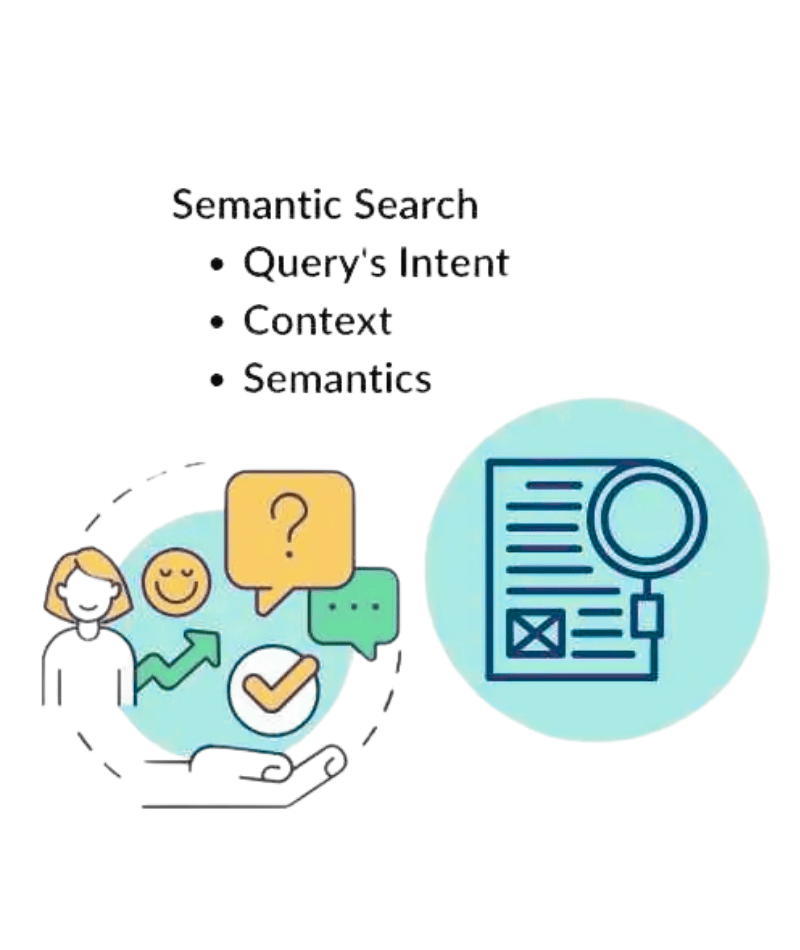
In recent years, Semantic Search Trends 2025 have significantly transformed how search engines interpret queries. Modern search algorithms focus on understanding the meaning and purpose behind a search query, rather than just looking for the exact words used. This shift towards semantic search means understanding natural language and user behavior has become critical for digital marketers. With Semantic Search Trends 2025 gaining momentum, the focus must shift from keyword stuffing to meaningful content.

Understanding Semantic Search

Semantic search is a method where search engines analyze not just keywords but the overall intent behind a query. It leverages AI, NLP (natural language processing), and machine learning to deliver more accurate and relevant results.

With the evolution of technologies like Google’s BERT and MUM, search engines can now interpret synonyms, user context, and conversational subtleties. By 2025, Semantic Search Trends 2025 highlight a stronger emphasis on understanding content relevance beyond basic keyword matches. Therefore, it’s crucial to develop content that genuinely addresses users’ questions instead of focusing solely on exact phrase inclusion.

The Decline of Exact Match Keywords

Previously, ranking well on Google often meant using exact match keywords repeatedly. However, the rise of Semantic Search Trends 2025 signals a move away from this practice. Search engines have become smarter, capable of connecting different words and meanings.

For instance, instead of targeting “buy blue running shoes,” your content should naturally answer queries like “What are the best blue running shoes for marathons?” Ranking depends on relevance and quality, even if the keyword isn’t a perfect fit.

Only about 9% of today’s top-ranking content relies on exact matches. To rank highly, modern search algorithms prioritize content that uses diverse language, thoroughly addresses a topic, and effectively satisfies the user’s search goal.

semantic search trends 2025: Diagram showing semantic Search content strategy with topic clusters and user intent alignment

How to Adapt to Semantic Search

To align with Semantic Search Trends 2025, content creators must focus on:

  • Topic Clusters: Organize related content around a core topic.
  • Answering Questions: Use FAQs and headers to address specific user queries.
  • Structured Data: Implement schema markup for better crawlability.
  • Natural Language: Write as if you’re speaking directly to your reader.
  • Long-Tail Keywords: Instead of broad terms, focus on using longer, more specific phrases that mimic how people actually talk when searching for information.

These strategies not only boost relevance but also improve overall user experience.

Benefits of Semantic Search

Embracing Semantic Search Trends 2025 offers several advantages:

  • Improved Relevance: Algorithms can match content with a wider range of queries.
  • Higher Engagement: Users find answers faster, reducing bounce rates.
  • Voice Search Optimization: Better alignment with how people talk enhances voice search visibility.
  • Reduced Keyword Stuffing: Quality and context become ranking factors over repetition.

We’ve selectively used the passive voice here to improve the tone. Short, punchy sentences maintain clarity and flow.

Conclusion

As Semantic Search Trends 2025 evolve, digital marketers and content creators must move beyond exact match keywords. Success now depends on content depth, natural phrasing, and a genuine understanding of user intent. By adapting to semantic principles, businesses can ensure long-term visibility and stronger audience connections in an AI-driven search landscape.

Ready to future-proof your content strategy for 2025? Contact our SEO specialists today to optimize for semantic search and gain a competitive edge.

FAQs

  • Q1: Are exact match keywords still useful?

    They have limited value. Focus on context and user intent instead.

  • Q2: What tools support semantic search optimization?

    Tools like MarketMuse, Clearscope, and Google's NLP API help tailor content to semantic standards.

  • Q3: How does semantic search impact SEO strategy?

    It shifts focus from keywords to content quality, relevance, and topic depth.

  • Q4: Can I use synonyms and still rank?

    Definitely. Search engines are smart enough to understand the meaning behind your search, even if you use different words or phrases.

  • Q5: Is voice search part of semantic search?

    By understanding natural speech patterns, semantic search provides more accurate voice query results.

Read More
10 MaySearch Engine Optimization

SEO vs. AEO: What’s the Difference and Why It Matters

Introduction

In the rapidly evolving digital landscape, understanding the distinctions between **SEO vs AEO** is essential for businesses aiming to enhance their online visibility. While Search Engine Optimization (SEO) focuses on improving website rankings on search engines, Answer Engine Optimization (AEO) aims to provide direct answers to user queries, especially in voice search and AI-driven platforms. Recognizing the differences between SEO vs AEO can help in crafting a comprehensive digital strategy.

What is SEO?

Search Engine Optimization (SEO) is the practice of enhancing content of website in order to rank at the top in search results pages. For organic traffic and improving the visibility, research on keyword selection, on-page optimization and technical refinement. SEO targets users who input specific keywords into search engines, aiming to provide them with relevant content.

What is AEO?

Answer Engine Optimization (AEO) focuses on optimizing content to provide concise and direct answers to user queries, particularly in voice searches and AI-powered platforms like virtual assistants. AEO aims to position content as the primary source for specific questions, enhancing visibility in featured snippets and answer boxes. This enables users to seek quick and appropriate information.

SEO vs AEO: Understanding the Differences and Importance

Key Differences Between SEO and AEO

AspectSEOAEO
PurposeClimb higher in the Search Engine rankingAddress user queries with straightforward answers
Content LengthIn-depth articles and comprehensive guidesConcise and precise answers
Target PlatformsTraditional search engines (e.g., Google)Voice assistants and AI-driven platforms
User IntentInformational, navigational, transactionalImmediate answers to specific questions
Optimization FocusKeywords, backlinks, meta tagsStructured data, FAQs, featured snippets

Understanding these differences is crucial when comparing SEO vs AEO strategies.

Why Both SEO and AEO Matter

Combining SEO and AEO in your digital strategy ensures your brand addresses diverse user intents across multiple platforms. Traditional SEO enhances visibility through keyword-based search queries, whereas AEO focuses on delivering immediate answers via voice search and AI assistants. Integrating Search Engine Optimization (SEO) and Answer Engine Optimization (AEO) strategies significantly amplifies your brand’s online presence and user engagement.

Implementing SEO and AEO Strategies

To effectively implement SEO and AEO:

For SEO:

  • Conduct thorough keyword research.
  • Boost on-page elements like titles, SEO descriptions, and headers.
  •  Build high-quality backlinks.
  •  Fast Loading speeds and mobile compatibility ensurity.

For AEO:

  • Identify Common User Questions
  • Develop Targeted Content
  • Implement Structured Data Markup
  • Optimize for Featured Snippets and Voice Search

Balancing SEO vs AEO efforts can lead to a more robust online presence.

Conclusion

It’s important to master the finesse between Search Engine Optimization (SEO) and Answer Engine Optimization (AEO) for obtain online visibility. While SEO focuses on enhancing website rankings in traditional search engine results pages (SERPs), AEO is centered on providing direct, concise answers through AI-powered platforms like voice assistants and chatbots.

Integrating both strategies ensures that your content is accessible and relevant across various search modalities, catering to users’ evolving search behaviors. While SEO continues to be pivotal for enhancing website rankings in traditional search engines, AEO addresses the growing demand for immediate, concise answers through AI-driven platforms and voice search technologies. Integrating both strategies ensures that businesses remain accessible and relevant across diverse search modalities, catering to users’ varying preferences for information retrieval. While SEO remains essential for attracting organic traffic through traditional search engines, AEO addresses the growing demand for immediate answers via voice search and AI platforms. By integrating both strategies, businesses can enhance their visibility, meet diverse user needs, and stay ahead in the competitive digital landscape.

FAQs

  • Where should be the focus on AEO while disregarding SEO?

    While Answer Engine Optimization (AEO) is increasingly important for capturing voice search and AI-driven queries, Search Engine Optimization (SEO) remains fundamental for overall online visibility. SEO ensures your content ranks well in traditional search engine results, driving organic traffic to your website. A balanced approach is recommended.

  • How does structured data help in AEO?

    Structured data helps search engines understand your content, increasing the chances of appearing in featured snippets and answer boxes.

  • Is AEO only relevant for voice search?

    While AEO is particularly beneficial for voice search, it also enhances visibility in AI-driven platforms and featured snippets in traditional search results.

  • Can frequently updating the SEO content and rewriting it in multiple styles is feasible?

    Regularly review and update your content to ensure accuracy and relevance, especially as user queries and search algorithms evolve.

  • Does implementing AEO require technical expertise?

    While some technical knowledge is beneficial, many AEO practices, like creating concise answers and using structured data, can be implemented with basic understanding and available tools.

Read More
05 MaySearch Engine Optimization

Blogger.com SEO Checklist (2025): Master On-Page SEO with AI Tools

For a more in-depth SEO checklist, I follow this Blogger-specific strategy.

AI-Powered SEO Checklist for Blogger.com (2025 Edition)
1. Keyword Research & Placement
  • Use ChatGPT or Ubersuggest to find 4–5 word long-tail keywords.

  • Place keywords in:

    • Post Title

    • URL Slug

    • First 100 words (naturally)

    • Image alt text

    • H2/H3 subheadings

    • Labels (for Blogger tags)

2. Post Title & Meta Description
  • Use tools like Headlime or ChatGPT to generate SEO-friendly titles.
  • Write custom meta descriptions manually (up to 150 characters).
  • Use the Search Description field within Blogger’s post editor to add a meta description that boosts your post’s visibility on search engines.
  •  
3. Mobile & Speed Optimization
  • Choose a responsive, fast-loading Blogger theme like “Contempo” or “Notable.”
  • Use compressed images (via TinyPNG or Squoosh).
  • Limit use of third-party widgets or heavy JavaScript.
    •  
4. Image SEO
  • Rename images before uploading (e.g., ai-onpage-seo-2025.jpg).

  • Include descriptive alt text that aligns with your target keyword to improve image SEO and accessibility.

  • Use caption text for extra context.

5. Internal Linking
  • Link to at least 2 older blog posts using exact anchor text.
  • Create topic clusters by linking related posts (pillar pages + subtopics).
  • Add “Related Posts” widgets or manual lists.
  •  
6. Schema Markup (Manual Insertion)
  • Insert JSON-LD schema markup within the HTML section under the <head> tag to enhance search engine understanding.

  • Add:

    • BlogPosting schema

    • Breadcrumb schema

    • FAQ schema if applicable

  • Use Google’s Rich Result Test to verify.

7. URL Slug & Permalink Optimization
    • Use Custom Permalink in Blogger post editor.

    • Keep slugs short, lowercase, and hyphenated (e.g., ai-onpage-seo-guide).

      • Avoid stop words like “and”, “the”, “with”.

8. Labels = Blogger Tags
    • Add 2–5 labels per post.

    • Think SEO-friendly topics: AI SEO, On-Page SEO, Content Optimization, etc.

    • Labels improve internal navigation and crawlability.

9. Comment SEO & Moderation
  •  Enable comment moderation.
  • Reply using keyword-rich and helpful responses.
  • Steer clear of spammy links by regularly reviewing backlinks from blog commenters to maintain site credibility.
  •  
10. Track Performance
  • Integrate Google Search Console and Google Analytics 4 into your Blogger settings for better performance tracking and SEO insights.

  • Utilize PageSpeed Insights to regularly track and improve your blog’s mobile loading speed.

  • Check which keywords your posts are ranking for monthly.

⚙️ Tool Stack for Blogger:
  • PurposeTool Suggestion
    Keyword ResearchUbersuggest, ChatGPT
    Image CompressionTinyPNG, Squoosh
    Meta + TitleHeadlime, SurferSEO
    Schema GeneratorMerkle Schema Builder
    AnalyticsGoogle Analytics 4, Google Search Console
Read More
05 MaySearch Engine Optimization

AI-Driven SEO Checklist Strategy for 2025

Introduction

In the rapidly shifting world of digital marketing, SEO no longer operates in isolation. Artificial Intelligence (AI) is now central to every aspect of a winning SEO strategy—from research and optimization to execution and monitoring. This checklist will help you optimize your website for 2025 using the most current, AI-powered best practices.

1. Smart Content Planning with AI

AI tools like Jasper, Frase, and SurferSEO are revolutionizing how marketers plan content. Rather than guessing what users might search, these tools analyze real-time search intent and recommend structured outlines.

Key Steps:

  • Build topic clusters to target specific user journeys.

  • Use AI to uncover trending queries, questions, and related topics.

  • Incorporate voice-friendly subheadings (questions, how-to’s, conversational language).

Comparison-of-traditional-SEO-checklist-and-AI-driven-SEO-workflow-highlighting-automation-and-NLP-improvements

2. Semantic Keyword Research

Forget stuffing keywords—modern SEO focuses on topical authority and natural language processing (NLP).

Key Steps:

  • Focus on 4–5 word long-tail phrases with semantic intent.

  • Include LSI keywords naturally in headings and paragraphs.

  • Let AI help group related keywords under one umbrella theme.

3. On-Page Optimization Tactics

Optimizing your content using AI ensures consistency in structure, tone, and effectiveness.

Key Steps:

  • Use 1–2% keyword density, ensuring it reads naturally.

  • Optimize your title (H1) and subheadings (H2–H3) with structured hierarchy.

  • Generate SEO-friendly meta titles and descriptions with GPT tools.

4. Schema & Structured Data Integration

Search engines now prioritize rich results. Schema markup helps AI better understand your content and improves visibility.

Key Steps:

  • Use JSON-LD to implement schema types like BlogPosting, FAQ, or Product.

  • Add “Speakable” Schema for voice-search optimization.

  • Test structured data using Google’s Rich Results Tool.

5. Refreshing Existing Content

Google’s Core Web Vitals now directly impact rankings. AI tools help identify and fix performance bottlenecks.

Key Steps:

  • Use AI-based heatmaps (e.g., Hotjar, Clarity) to analyze user behavior.

  • Improve page speed, eliminate layout shifts, and prioritize mobile UX.

  • Structure content for easy readability on mobile—short paragraphs, bullet points, and visuals.

Infographic of AI integration in SEO strategy covering content planning, on-page optimization, and analytics

6. UX & Mobile Optimization

Forget stuffing keywords—modern SEO focuses on topical authority and natural language processing (NLP).

Key Steps:

  • Focus on 4–5 word long-tail phrases with semantic intent.

  • Include LSI keywords naturally in headings and paragraphs.

  • Let AI help group related keywords under one umbrella theme.

7. Backlink Building with AI Automation

Smart outreach builds authority without wasting hours manually emailing.

Key Steps:

  • Use AI to generate personalized outreach emails for guest posts and collaborations.

  • Focus on AI and digital marketing blogs, forums, and podcasts for high-quality links.

  • Internally link using AI-suggested anchor text for contextual relevance.

8. AI-Enhanced Monitoring & Insights

Modern SEO is dynamic. Let AI help you monitor and react in real-time.

Key Steps:

  • Set up GA4 dashboards with predictive analytics features.

  • Analyze bounce rate, user flow, and top-performing queries using AI tools.

  • Adjust strategy monthly based on performance trends.

Final Thoughts

AI is no longer a luxury in SEO—it’s a necessity. Integrating AI into your strategy ensures you stay competitive, agile, and visible in an ever-crowded search landscape.

For a more in-depth SEO checklist, I follow this strategy.

Read More
05 MaySearch Engine Optimization

How AI Is Changing On-Page SEO

The Rise of Intelligent Search Optimization

In the past, on-page SEO was mostly about inserting keywords, optimizing meta tags, and ensuring fast loading speeds. Now, thanks to artificial intelligence, SEO is becoming more predictive, contextual, and user-focused.

Search engines are evolving rapidly, using machine learning to understand user intent rather than just keywords. Notable examples include Google’s BERT and MUM algorithms. They analyze content in ways that resemble human comprehension. As a result, optimization efforts must align with natural language processing (NLP) and semantic relevance.

This shift means that understanding user behavior and content meaning is now more important than traditional tactics. AI is changing everything—from how we research keywords to how we structure content.

AI on-Page SEO Strategies in Action

Today’s AI tools help marketers build smarter SEO workflows. They not only suggest keywords but also recommend the ideal content structure, tone, and even user engagement elements. AI on-page SEO strategies are now focused on making content semantically rich and context-aware.

For example, tools like SurferSEO and MarketMuse use AI to analyze top-performing pages and guide writers to optimize based on those insights. These suggestions typically cover related keywords, content depth, and alignment with user intent. The goal is to mirror the way Google interprets search queries.

Even content formatting is influenced. AI-driven platforms advise on header usage, paragraph lengths, and image-to-text ratios to keep bounce rates low. AI on-page SEO strategies are pushing for adaptive, human-centric design.

Artificial-intelligence-improving-website-SEO-structure

Enhancing Content Relevance with AI Insights

One powerful benefit of using AI on-page SEO strategies is improved content relevance. AI tools evaluate competitors’ content and match it with search engine expectations. This helps close the gap between user expectations and the value the content provides.

They also help identify semantic gaps—missing concepts that your page should include to rank better. By closing these gaps, content becomes more authoritative and useful. Google rewards that.

Additionally, personalization is playing a larger role. AI customizes content dynamically based on user behavior, geographic location, and device preferences. This ensures the experience feels more custom and therefore more engaging. Such practices align with modern SEO requirements.

Structured Data and AI Interplay

Structured data plays a crucial role in helping search engines accurately interpret your content’s context and meaning. AI on-page SEO strategies integrate seamlessly with schema markup to improve visibility in featured snippets and rich results.

AI tools help generate schema code automatically for blogs, products, events, and more. This saves time and ensures accuracy. When paired with a solid content plan, schema boosts click-through rates.

Another benefit is voice search optimization. As more people use smart assistants, content must be structured for conversational queries. AI analyzes these trends and helps format answers in a way search engines love. It’s no longer optional—voice is mainstream.

Automating SEO Health Checks

Maintaining SEO consistency is a continuous challenge. AI simplifies this by offering automated health checks. These include checking for broken links, duplicate content, or poor readability.

AI tools also flag underperforming content and suggest updates. By using historical data, they prioritize what changes will bring the most traffic uplift. AI on-page SEO strategies are not just reactive—they’re proactive.

What’s more, these tools operate at scale. For large sites, manually auditing every page is unrealistic. AI crawlers provide real-time feedback on meta tags, header usage, and keyword balance. They even assess tone and emotional impact.

Measuring Success with Smart Analytics

Tracking results is a vital part of SEO. AI-driven analytics provide more comprehensive and actionable insights compared to traditional SEO tools. They show which parts of the content drive engagement and where users drop off.

Through heatmaps, scroll depth tracking, and sentiment analysis, marketers can fine-tune content. AI on-page SEO strategies encourage continuous learning. With each iteration, pages become more aligned with what both users and search engines expect.

Voice search data, click behavior, and search trends are now included in dashboards. This allows for better forecasting and sharper decisions. AI transforms raw data into clear, actionable insights that drive informed decisions.

Final Thoughts: Adapt or Be Left Behind

AI on-page SEO strategies are becoming essential. They are not just enhancing how we optimize but redefining it entirely. As algorithms evolve, static strategies won’t be enough. You must evolve too.

Integrating AI into your workflow keeps your SEO strategy effective, up-to-date, and aligned with evolving search engine standards. The content becomes more aligned with user intent, structured for discoverability, and enriched for interaction.

To future-proof your SEO, adopt AI tools that guide not just what to write but how to write it for search visibility. The transformation has begun. Those who embrace it now will lead the digital wave ahead.

For a more in-depth SEO checklist, I follow this strategy.

Read More
03 MaySearch Engine Optimization

The Future of SEO in 2026: Trends You Can’t Ignore

Smarter Search Engines with AI

Search engines in 2026 are no longer just algorithms — they are intelligent systems powered by advanced AI. They interpret intent, personalize results, and even predict behavior. This evolution demands that content creators shift from mere keyword stuffing to delivering real value.

Search engines now prioritize user experience over raw keyword frequency. That means sites need to load faster, provide accessible navigation, and offer authoritative content. Additionally, structured data and semantic HTML are playing a bigger role in how search engines interpret pages.

Voice and visual search are expanding rapidly, and mobile-first indexing has become non-negotiable. If your website isn’t optimized for mobile, it’s invisible to half the web traffic. The future SEO strategy 2026 requires marketers to embrace AI tools that analyze behavioral data, track search trends, and even help write better content.

More than 80% of queries are conversational now, and generative search is reshaping what it means to “rank” — AI overviews often replace traditional top-ten results. That’s why snippets, structured data, and FAQ sections are crucial to visibility.

Invest in tools that offer AI-powered SEO audits, predictive analysis, and automated optimization. The future SEO strategy 2026 hinges on leveraging machine learning to deliver intent-rich, high-performing content.

Hyper-Personalization and Predictive SEO

In 2026, personalization has matured into a science. Search results are now curated based on location, past behavior, and even device type. Predictive SEO is the new frontier. Tools now help anticipate user needs before they even search.

Your website needs to understand not only what users are searching for but also why they’re searching. This behavioral insight is central to the future SEO strategy 2026, and content must be aligned with these micro-intents.

Dynamic content, customized landing pages, and targeted messaging based on real-time data define engagement success. Segmenting users and delivering tailored value is no longer optional—it’s expected.

Even your internal linking structure can be personalized now, adjusting based on previous visitor sessions. AI also aids in predictive topic modeling, helping you target emerging queries before your competition.

Adapt to these changes by integrating predictive SEO tools and CRM systems. This approach ensures that every visit is maximized, and bounce rates drop significantly.

Voice Search Optimization and Conversational Content

Voice search is no longer a trend—it’s the standard. With the growth of smart speakers and AI assistants, users speak their queries, often as questions. This shift requires content to be conversational and naturally phrased.

Traditional keywords are ineffective here. You must focus on long-tail, question-based phrases. “How to optimize for Google” has replaced “Google SEO tips.” Schema markup and featured snippets become essential tools.

The future SEO strategy 2026 insists on integrating content that directly answers these questions, often within the first 100 words. Structured FAQ blocks and conversational blog intros are key.

Additionally, voice searches are more likely to trigger local SEO. “Find a digital agency near me” or “best vegan café open now” are contextually-driven and require hyper-local optimization. Ensure your Google Business Profile is up-to-date, your reviews are strong, and your NAP (Name, Address, Phone) consistency is flawless.

Voice search optimization interface on mobile showing search results with AI overlay

Video SEO and Multimodal Content Ranking

Video content dominates SERPs now. In 2026, Google and other engines treat videos as primary content, often showing them before web pages. This shift means text-based SEO is no longer enough.

Your SEO efforts should now involve video transcripts, subtitles, and keyword-rich descriptions. AI tools can auto-generate these, but editing for quality is essential.

YouTube SEO, thumbnail optimization, and video schema must be part of your plan. Even TikTok and Instagram Reels are indexed by some engines now. Diversifying content formats gives you more surface area for discovery.

Multimodal content — combining text, audio, video, and interactive visuals — performs better across AI-powered SERPs. Use multimedia to boost time-on-site and reduce bounce rates. The future SEO strategy 2026 promotes rich content ecosystems that adapt to varied user preferences.

Ethics, Trust, and the Human Element

Despite all these advancements, human trust remains irreplaceable. Google’s E-E-A-T (Experience, Expertise, Authoritativeness, Trustworthiness) framework continues to be a ranking pillar.

Avoid misleading clickbait, AI-generated misinformation, and over-optimization. Ensure transparency, especially in AI-written content. Disclose sources and authorship clearly.

As AI evolves, so does scrutiny. Regulatory bodies now watch for algorithmic bias and digital manipulation. Aligning with ethical practices is both a legal and reputational necessity.

The future SEO strategy 2026 isn’t just about outperforming the algorithm—it’s about building genuine, long-term credibility.

Read More
02 MayDigital Marketing

The Rise of AI-Powered Content Services in 2025: Revolutionizing Content Creation or Threatening Human Creativity?

AI-Powered Content Services: Revolutionizing Content in 2025

In 2025, AI-powered content services have cemented their position in the digital marketing ecosystem. These platforms are no longer viewed as gimmicks but as essential productivity tools reshaping how content is planned, created, and distributed. From lean startups to global agencies, the demand for AI-powered content services has exploded, driven by their ability to generate content faster, at scale, and often at a fraction of the traditional cost.

Changing the Rules of Content Creation

Gone are the days when content production involved lengthy brainstorming sessions and hours of drafting. Today, AI tools like Jasper, Copy.ai, Writesonic, and ChatGPT are used to ideate blog topics, write introductions, summarize sources, and even compose full articles. AI-generated outlines help writers break through creative blocks, and auto-suggestions accelerate copywriting tasks. With just a short prompt, a marketing professional can receive multiple article drafts tailored to brand voice and style.

AI-powered content services have also evolved beyond text. They now handle visuals and multimedia too. Tools like Midjourney and DALL·E generate images for blog headers and social posts, while Synthesia creates AI avatars to deliver script-based video content. These capabilities allow marketers to streamline campaigns, reduce dependency on large creative teams, and maintain consistency across formats.

While the benefits are clear, the implications are complex.

AI-Driven Content Workflow Diagram, An infographic showing the streamlined AI-driven content workflow used by marketers in 2025.

Is Creativity Under Threat?

This evolution brings up a polarizing question: Are AI-powered content services threatening human creativity? The concern is understandable. After all, machines are now performing tasks once reserved for human writers, designers, and editors. But it’s important to recognize that the rise of automation doesn’t necessarily equate to the fall of originality.

In most cases, AI doesn’t replace creators—it enhances them. Human input remains essential to guide tone, emotion, cultural nuance, and ethical decision-making. AI can write a blog post, but it can’t understand the subtleties of sarcasm, regional dialects, or emotional storytelling the way a human can.

In fact, some of the most successful content strategies in 2025 involve hybrid workflows, where AI-powered content services generate drafts, outlines, or promotional blurbs, and humans polish them for authenticity and connection. This partnership between humans and machines ensures higher efficiency without sacrificing creativity.

SEO and Personalization at Scale

Perhaps one of the most compelling reasons marketers are adopting AI-powered content services in 2025 is their ability to enhance SEO and personalization. Algorithms now analyze trending keywords, search intent, and user behavior in real-time—generating optimized content tailored to both search engines and audiences.

Instead of relying solely on human keyword research, AI platforms integrate with tools like SEMrush, Ahrefs, and Google Search Console to offer intelligent suggestions. Marketers input their target keyword, and within seconds, the AI proposes subheadings, content gaps, and optimal word counts. The result? Faster production of content that’s more likely to rank.

On the personalization front, AI tools use CRM data and user interactions to dynamically tailor content. Email sequences, product descriptions, and landing page copy can be generated and adjusted in real time based on user personas, preferences, and behaviors. This ability to scale tailored messaging was nearly impossible a decade ago.

Ethics, Plagiarism, and the Black Box Problem

Despite its advantages, AI content generation isn’t without risk. One of the primary concerns in 2025 is the “black box” nature of many AI platforms—where content is generated from vast datasets with little visibility into the sources used. This raises issues of plagiarism, misinformation, and brand safety.

To combat this, leading companies are implementing AI content guidelines and human review layers. Some platforms now offer citation trails and originality scores, giving businesses more confidence in using generated content publicly. Still, the burden remains on content teams to fact-check and add unique value.

Ethical use of AI-powered content services also involves transparency. Brands that openly communicate their use of AI in content creation are often viewed as more trustworthy. For example, some websites now label AI-assisted content clearly or provide a “created with AI assistance” disclaimer at the end of articles.

Human Creativity vs. AI Automation Visual comparison of human creativity and AI automation—highlighting the balance between originality and efficiency.

Upskilling and the Future Workforce

Another major shift is how digital marketers are upskilling to work with AI rather than against it. Content creators today are learning prompt engineering, training custom AI models, and developing brand-specific datasets to fine-tune AI outputs. Copywriters are evolving into content strategists and editors, overseeing large volumes of AI-assisted material and ensuring brand alignment.

In this environment, value comes from judgment, strategic thinking, and emotional intelligence—areas where humans still excel. The best-performing teams in 2025 are not those that resist AI, but those that integrate it intelligently.

Strategic Adoption Wins the Day

As AI continues to develop, it’s tempting to automate everything. But wise marketers know that AI-powered content services are most effective when used selectively and strategically. Not all content should be AI-generated. Thought leadership, deep opinion pieces, and complex storytelling still benefit from a human-first approach.

Organizations that adopt a “human-in-the-loop” model—where AI handles volume and humans ensure quality—see the most sustainable success. In this way, content creation becomes faster, more data-driven, and scalable, without losing the brand’s soul.

Frequently Asked Questions

What are AI-powered content services?

AI-powered content services are platforms that use artificial intelligence to generate, optimize, and manage content. These tools assist in writing, designing, and personalizing content across blogs, websites, and social media.

How do AI tools help digital marketers in 2025?

In 2025, AI tools help digital marketers by automating content creation, enhancing SEO, personalizing messaging, and improving campaign efficiency. They allow faster content output with data-driven insights.

Will AI replace human content creators?

AI won’t replace human creators entirely. Instead, it complements their work by handling repetitive tasks, enabling creators to focus on strategy, creativity, and emotional storytelling.

Are there ethical concerns with AI-generated content?

Yes, ethical concerns include potential plagiarism, misinformation, lack of transparency, and the ‘black box’ nature of AI models. Responsible use and human oversight are essential.

Read More
  • 1
  • …
  • 25
  • 26
  • 27
  • 28
  • 29
  • 30

Recent Posts

  • Psychologische effecten van gokken op gedragskeuzes in het dagelijks leven
  • Understanding legal regulations in gambling A comprehensive guide for players
  • How technology reshapes the landscape of gambling today
  • El impacto ambiental de los grandes eventos deportivos una realidad invisible
  • Чем живые дилеры Пин Ап привлекают игроков: плюсы и минусы
Categories
  • About Satwik Enterprises(2)
  • Art & Technology(2)
  • Article(2)
  • Digital Marketing(28)
  • Fonbet(1)
  • Leon(2)
  • Politics(2)
  • Public(230)
  • Search Engine Optimization(17)
  • Social Media Marketing(2)
  • Superbet(1)
  • Website Development(2)
  • Ξένες Στοιχηματικές(1)

Copyright © 2020 Zikzag by WebGeniusLab. All Rights Reserved

BACK TO TOP