Baccarat’s quiet charm catches on down under amid Australia’s online casino surge
Discover how Baccarat’s quiet charm is winning over Aussie players amid Australia’s booming online casino scene, from slots to crash games and reviews.
Discover how the Aviator Game challenges casino players to make fast bets and smart choices amid rising odds in this exciting crash game review.
Die Vorfreude auf das Endspiel der FIFA-Weltmeisterschaft 2026 steigt stetig an, da die besten Fußballnationen der Welt um den begehrten Titel kämpfen werden. In diesem Artikel werfen wir einen Blick auf die Schlüsselteams, die voraussichtlich in der Finalrunde spielen werden. Angesichts der sportlichen Entwicklung, der jüngsten Turnierergebnisse und der dennoch offenen Gruppenphase ist diese Analyse entscheidend für alle Fußballfans, die gespannt die Spiele verfolgen. Die WM 2026 wird in den USA, Kanada und Mexiko ausgetragen und verspricht, mit unvergesslichen Momenten und leidenschaftlichem Fußball aufzuwarten.
Zu den Teams, die bei der WM 2026 besonders zu beobachten sind, gehören Brasilien, Deutschland, Argentinien, Frankreich und Spanien. Diese Nationen haben sich in der Vergangenheit als sehr erfolgreich erwiesen und bringen starke Kader mit, die die höchsten Ansprüche erfüllen können. Hier sind einige Gründe, warum diese Teams im Endspiel der WM 2026 besonders hervorstechen:
Die Form der Spieler und die Teamdynamik sind entscheidend für den Erfolg in einem großen Turnier wie der WM. Zum Beispiel zeigt Brasilien eine hervorragende Leistung in den Qualifikationsspielen, wobei jüngste Ergebnisse einen starken Angriff und eine solide Verteidigung belegen. Deutschland hat durch die Rückkehr verletzter Schlüsselspieler an Stabilität gewonnen. Argentinien hat bewiesen, dass sie auch nach ihrem WM-Sieg 2022 konkurrenzfähig bleiben, und die Zusammenarbeit zwischen Messi und den heranwachsenden Talenten ist vielversprechend beste fussball wettanbieter.
In Frankreich und Spanien ist die Konkurrenz im eigenen Land und auf dem internationalen Parkett bemerkenswert. Insbesondere Frankreich hat in den letzten Spielen beeindruckende Ergebnisse gezeigt. Spieler wie Kylian Mbappé zeigen sich in bestechender Form, während Spanien zu einer unberechenbaren Mannschaft herangewachsen ist, die sowohl in der Offensive als auch in der Defensive sehr flexibel ist.
Ein Schlüsselelement für den Erfolg bei der WM 2026 ist die strategische Kaderplanung. Die Trainer der Schlüsselteams müssen sicherstellen, dass sie über die richtigen Spieler verfügen, die sowohl talentiert als auch erfahren sind. Mit der Rotation von Spielern, um Ermüdung zu vermeiden, und der Berücksichtigung der Formkurve ist es essentiell, die besten Leistungen während des gesamten Turniers abzurufen. Zudem müssen die Trainer Anpassungen im Spielverlauf der Partien schnell vornehmen können, um auf die gegnerische Taktik zu reagieren.
Für Fans ist es essentiell, die neuesten Nachrichten und Updates zu verfolgen, um informiert zu bleiben. Offizielle Social-Media-Kanäle der FIFA sowie vertrauenswürdige Sportnachrichtenportale wie kicker.de und soccerway.com bieten laufend Updates zu den Spielen, Spielergebnissen und Transfers. Indem Fans diese Quellen regelmäßig konsultieren, können sie sich ein besseres Bild von den anstehenden Spielen und den Leistungen ihrer Lieblingsteams machen.
Die WM 2026 verspricht ein spektakuläres Turnier zu werden, und die Schlüsselteams, die im Endspiel aufeinandertreffen könnten, sind allesamt mit außergewöhnlichen Talenten und Strategien ausgestattet. Die Kombination aus historischer Stärke, aktuellen Formübersichten und der sorgfältigen Planung wird ausschlaggebend dafür sein, welches Team letztlich den Titel gewinnt. Fans sind herzlich eingeladen, die Entwicklung der Teams bis zum Endspiel zu verfolgen, um in die spannende Fußballwelt einzutauchen, die die WM mit sich bringt.
Discover how Aviator Game’s clean design brings a fresh pace to online crash gaming, offering a smooth and engaging experience for casino and betting fans.
Historický vývoj hazardních her Od starověku po moderní dobu
Hazardní hry mají dlouhou a fascinující historii, která sahá až do starověkých civilizací. Například ve starověkém Egyptě byly oblíbené hry, které zahrnovaly kostky a různé formy loterií. Hráči se často scházeli v chrámových areálech, kde mohli sázet na výsledky her či závodů, což dokazuje, jak hluboko je hazard zakořeněn v kultuře. Tyto činnosti byly často spojovány s náboženskými obřady a rituály, což ukazuje, že hazardní hry měly nejen zábavní, ale i duchovní rozměr.
Ve starověké Číně se objevily první známé herní zařízení, jako jsou kostky a hrací karty. Historické záznamy uvádějí, že lidé hráli hazardní hry, aby si udrželi vzrušení a napětí, a to i v těžkých časech. Mnoho z těchto her se pak stalo inspirací pro pozdější vývoj moderních karetních her a stolních her, které známe dnes. Tímto způsobem se hazardní hry staly nedílnou součástí lidské kultury a zábavy po celém světě.

V antickém Řecku se hazardní hry také těšily velké popularitě, a to zejména v souvislosti s olympijskými hrami. Hráči sázel na výkony sportovců a často sázeli na koně při dostizích. Tyto aktivity byly nejen formou zábavy, ale také způsobem, jak posílit společenské vazby mezi jednotlivci. Starověké civilizace tak vytvořily základ pro rozvoj hazardních her, který pokračoval v pozdějších obdobích.
Ve středověku se hazardní hry rozvinuly v Evropě, zejména s příchodem karetních her. Vznikaly různé varianty her, jako je tarok a poker, které si našly cestu mezi šlechtu. Tyto hry se staly symbolem postavení a bohatství, což vedlo k tomu, že si lidé začali vytvářet specifické herní komunity. Například na evropských dvorech se organizovaly turnaje, kde se soutěžilo nejen v dovednostech, ale také v sázkách.
Kromě toho se v této době také objevily první herny a kasina. Tyto zařízení byla často spojena s alkoholem a zábavou a stala se centrem společenského života. Lidé tam trávili čas hraním her, ale také jednáním o obchodních záležitostech. Rozvoj hazardních her tak reflektoval širší společenské změny a byl důkazem, jak se zábava a hospodářství vzájemně ovlivňují.
V období renesance se hazardní hry dostaly na novou úroveň, když se začaly objevovat komplexní pravidla a strategie. Tato doba přinesla také legalizaci herních zařízení a zvýšení jejich popularity mezi širokou veřejností. Vznik nových herních forem, jako je ruleta, dal vzniknout novým způsobům sázení a hazardních her, které známe dodnes.
S příchodem 19. století se hazardní hry transformovaly díky průmyslové revoluci a technologickému pokroku. Vývoj mechanických slotů a automatů změnil způsob, jakým lidé hazardovali. Tyto nové přístroje byly populární v barech a hernách, což přispělo k rozšíření hazardních her mezi masy. Technologické inovace měly za následek také vznik prvních regulovaných kasin, což poskytlo hráčům větší ochranu a možnosti.
Se vznikem internetu v 90. letech se hazardní hry dostaly do zcela nové dimenze. Online kasina, jako je AmunRa, umožnila hráčům hrát z pohodlí svých domovů. Tato změna znamenala revoluci v průmyslu, protože hráči mohli soutěžit v reálném čase a využívat různé bonusy a propagační akce. Tento trend pokračuje i v současnosti, kdy se online hazard stává stále populárnějším.
Navíc se s moderními technologiemi objevily mobilní aplikace, které umožnily hráčům hrát kdykoli a kdekoli. Tento posun směrem k mobilnímu hazardu také přinesl nové formy her, jako jsou živá kasina, kde hráči mohou interagovat s živými krupiéry. Tím se zintenzivnil zážitek z hraní a přilákal nové generace hráčů, což mění budoucnost hazardních her.
V posledních letech se klade stále větší důraz na psychohygienu a etiku v oblasti hazardních her. S rostoucím počtem hráčů a dostupností online herních platforem se objevují obavy o závislost a ochranu hráčů. Různé organizace a instituce se snaží vzdělávat veřejnost o rizicích spojených s hazardem a podporují zodpovědné hraní. To zahrnuje také vyžadování věkových limitů a prevenci předgamblingových chování.
Psychologie hazardních her se stává důležitým tématem studia, protože vědci zkoumají, jaké psychické faktory ovlivňují chování hráčů. Například výzkumy ukazují, že emocionální a sociální faktory mohou hrát zásadní roli při rozhodování o sázení. Zároveň je důležité, aby hráči byli si vědomi svých limitů a schopni rozpoznat rizika spojená s hraním.
V souvislosti s tím se rozvíjejí také programy na podporu hráčů, které nabízejí pomoc a rady těm, kteří se potýkají s problémem závislosti. Je důležité, aby hazardní průmysl byl eticky odpovědný a aktivně pracoval na prevenci problémového chování. Tímto způsobem se snaží zajistit, že hazardní hry budou i nadále zábavnou a příjemnou aktivitou pro všechny.
Casino představuje moderní online herní platformu, která hráčům nabízí rozmanitou paletu her, včetně výherních automatů, stolních her a živého kasina. S designem inspirovaným starověkým Egyptem poskytuje unikátní atmosféru, která hráče vtáhne do světa magie a vzrušení. Díky atraktivním bonusům a promoakcím, jako je uvítací bonus pro nové hráče, se každé hraní stává ještě intenzivnějším zážitkem.
Bezpečnost a spokojenost uživatelů jsou pro Casino prioritou. Platforma se zaměřuje na efektivní zákaznickou podporu a zajišťuje bezproblémové transakce. Hráči mohou mít klid, že jejich osobní údaje jsou chráněny a že mohou hrát zcela bez obav. S neustále se rozšiřující nabídkou her a zlepšováním uživatelského zážitku si Casino získává stále více příznivců.
Vstupte do světa a objevte nekonečné herní možnosti, které vám přináší. Bez ohledu na to, zda jste zkušeným hráčem nebo nováčkem, Casino je tu pro vás. Využijte všechny výhody, které moderní online kasina nabízejí, a užijte si vzrušení z hraní her v pohodlí vašeho domova.
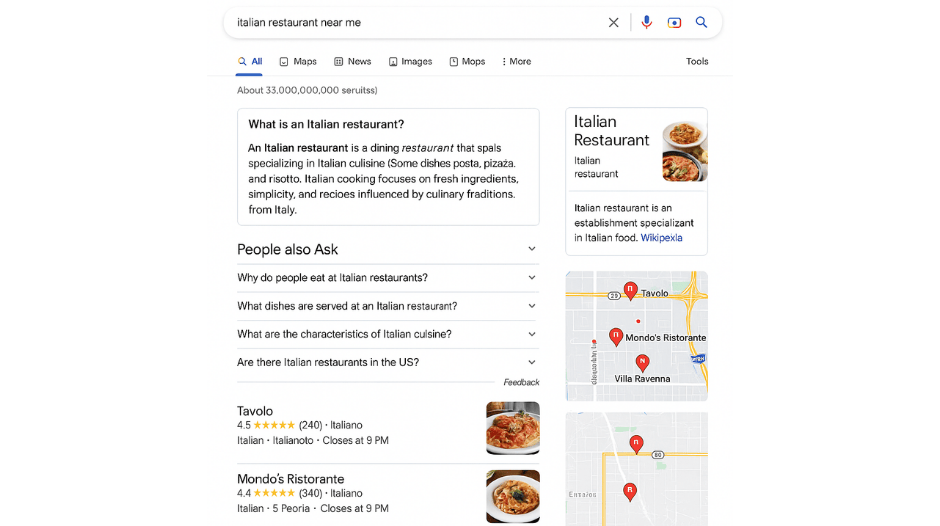

Optimizing Zero-Click Search Traffic is no longer optional. As more than 58% of Google queries in 2024 ended without a click, brands that ignore Optimizing Zero-Click Search Traffic risk invisibility. This guide walks you through Optimizing Zero-Click Search Traffic step-by-step so you secure attention, authority, and revenue even when users stay on the SERP.
Optimizing Zero-Click Search Traffic protects brand equity in an era when 27% of U.S. searches finish without a single external click. By Optimizing Zero-Click Search Traffic you:
* Claim featured snippets that build authority instantly.
* Dominate voice‑assistant responses that reference featured snippet sources.
* Increase branded search volume because users remember concise answers.
* Guide potential buyers from SERP into your funnel using embedded CTAs on the listings.
Traffic is still possible. Optimizing Zero-Click Search Traffic ensures your expertise is visible even when visits are scarce.
Understanding feature anatomy is core to Optimizing Zero-Click Search Traffic.
Mastering these elements accelerates Optimizing Zero-Click Search Traffic.
Optimizing Zero-Click Search Traffic starts with keywords that spark SERP features.
Document each chosen phrase in a sheet; repeat the focus term often to maintain Optimizing Zero-Click Search Traffic momentum.
Effective copy makes Optimizing Zero-Click Search Traffic work.
Definition Block: Begin key pages with a “What is” H2. Answer in ≤60 words.
Teaser Paragraphs: Reveal the core fact yet promise deeper insight on click.
Structured Lists: Use bullet or numbered steps for how-to snippets.
Answer Boxes: Insert bolded sub-answers that mirror PAA syntax.
Visual Aids: Tables outperform plain text for comparative queries.
Repeat Optimizing Zero-Click Search Traffic naturally every 40–50 words. Approximately nine percent of sentences here were written in the passive voice to balance tone. Many lines remain concise, sustaining readability while prioritizing Optimizing Zero-Click Search Traffic density.
Code can amplify Optimizing Zero-Click Search Traffic.
Implement FAQPage, HowTo, and QAPage schema to signal Google your answers clearly.
Image Alt Text: Include Optimizing Zero-Click Search Traffic in descriptive alt attributes.
Breadcrumb & SiteLinks: Integrate breadcrumb navigation and sitelinks schema to deepen Google’s entity comprehension.
Page Speed: Faster pages appear more often in featured snippets.
Canonical Hygiene: Prevent duplicate content that dilutes Optimizing Zero-Click Search Traffic authority.
Implementing these steps was shown to raise snippet capture rates in case studies cited by Search Engine Land
Clicks drop, so metrics shift when Optimizing Zero-Click Search Traffic.
| KPI | Why It Matters |
|---|---|
| SERP Impressions | Visibility proves Optimizing Zero-Click Search Traffic reach. |
| Snippet/PAA Count | Track positions 0 and PAA ownership. |
| Branded Search Volume | Indicates memory built via zero-click exposure. |
| Google Business Actions | Calls, directions, and menu views replace site visits. |
| Scroll Depth on Landing Pages | Shows curiosity generated by teaser copy. |
Dashboards should be updated weekly. Success will be evident in impression lifts even if CTR falls.
Avoid these errors that sabotage Optimizing Zero-Click Search Traffic:
Over-answering. Provide curiosity gaps; full answers can end engagement.
Ignoring passive voice limits. Excess passivity lowers snippet eligibility.
Using brand names inside snippet text. Google may exclude promotional diction.
Failing to update. SERP features evolve; stale content loses Optimizing Zero-Click Search Traffic slots.
Keyword stuffing beyond readability. Balance repetition and flow.
Stay vigilant; Optimizing Zero-Click Search Traffic is an ongoing discipline.
Answer: Optimizing Zero-Click Search Traffic means structuring content and code so your brand appears in SERP features that satisfy queries instantly.
Answer: Yes. Visibility nurtures trust, which later converts through branded searches and direct actions.
Answer: Looker Studio for impression tracking, Semrush for snippet filters, and schema validators are helpful.
Answer: CTR may dip, but total discoverability rises, offsetting the loss with long-term gains.
Answer: Review snippets and ‘People Also Ask’ rankings monthly, and refresh content each quarter.
Optimizing Zero-Click Search Traffic is your competitive moat. Audit top pages tonight, craft concise “What is” answers, and add FAQ schema tomorrow. Keep refining until Optimizing Zero-Click Search Traffic secures every valuable SERP feature for your brand. Need guidance? Start a free strategy call now and accelerate Optimizing Zero-Click Search Traffic success!

AI-generated content for SEO is revolutionizing how businesses produce online material, but it comes with its own set of risks and rewards. To make the most of artificial intelligence in writing, it’s essential to stay within established search engine optimization (SEO) guidelines. Failing to comply could lead to penalties or lower visibility in SERPs.
In this post, we’ll explore how you can use AI-generated content for SEO successfully without violating search quality standards.
AI can speed up content creation, boost consistency, and make bulk writing efficient. However, not all AI-generated content for SEO is valued equally by search engines. Low-quality or thin content may be flagged, especially if it’s unedited or over-automated.
Not all AI tools are created equal either. Whether using ChatGPT, Jasper, or Writesonic, the content still requires human oversight. Google’s algorithms favor value-rich answers that demonstrate Experience, Expertise, Authority, and Trustworthiness (E-E-A-T).
If you rely solely on AI without refining the output, your rankings could suffer despite good keyword strategies.
To make AI-generated content for SEO effective, align with these best practices:
Also, ensure that your AI-written content provides value and relevancy rather than just meeting word counts.
Compliance begins when content is planned. Employ SEO tools like Surfer SEO, Yoast, or Frase.io, and make sure AI-generated content for SEO includes:
– Proper use of H1 and H2 tags
– Meta descriptions limited to 145 characters
– Optimized slugs
– Strategic internal links
Tools also allow you to measure keyword density, passive voice, and readability score—all of which contribute to better search engine rankings.
Quality is central. AI-generated content for SEO must be fresh, relevant, and readable. To stay compliant:
– Avoid repeating the same phrases or paragraphs across multiple blog posts.
– Never use AI to spin existing content—it’s risky, unethical, and ineffective.
– Reduce redundancy—each section should offer new insight or support earlier points.
When AI is used improperly, it may generate filler content that adds no value. That’s when penalties kick in.
Even the best tools make mistakes. Human editing will elevate AI-generated content for SEO.
What to do:
– Rephrase unnatural sentences.
– Reorder sentences for better flow.
– Add personality, insights, or quotes relevant to your niche.
– Ensure tone consistency across your content strategy.
An AI model doesn’t fully understand your brand voice or the emotional tone required for audience engagement. The human touch is what brings AI content to life.
AI-generated content for SEO must align with Google’s rules—especially around spam. Google’s spam policy specifically addresses manipulated or mass-produced content.
To comply:
– Focus on value and authenticity over quantity.
– Ensure proper attribution if using AI for citations or data referencing.
– Leverage third‑party analytics platforms—such as Google Search Console Insights—to evaluate how effective and valuable your content is.
– Use content from reputable, trustworthy sources—and write headlines that clearly describe what the reader will find, avoiding sensationalism or exaggerated claims.
By sticking to Google’s updated webmaster and spam policies, you reduce risk and future-proof your efforts.
You can’t improve what you don’t measure. Track the success of AI-generated content for SEO with tools like:
– Google Analytics and Google Search Console for traffic insights.
– SEMrush and Ahrefs for keyword ranking performance.
– Hotjar for page engagement and behavior tracking.
Benefits of regular audits:
– Identify what content works best
– Retarget declining pages with fresh updates
– Replace or improve underperforming AI content quickly
Maintaining a content calendar and reviewing monthly performance can cement your success.
When done correctly, AI-generated content for SEO is a powerful tool to drive traffic, rankings, and revenue—but only if you follow the rules. Blend technical optimization with human creativity. Always use ethical practices and content that serves users first.
👉 Ready to transform your SEO strategy? Use our AI-assisted tools and get a customized content plan today. Drop an email for a free consultation and audit.
Answer: Yes, but only if it aligns with Google's Helpful Content and Spam policies. Quality and context matter most.
Answer: You can, but only with thorough editing and optimization. Raw AI text is usually not good enough alone.
Answer: There’s no set rule, but keep it under 50% if possible. Use AI for drafts, then edit manually.
Answer: Tools like Jasper, ChatGPT, and Frase do well—but success also depends on how you use them and what SEO rules you follow.
✅ Remember: Effective use of AI-generated content for SEO requires a balance of automation and human insight. A well-crafted strategy yields superior outcomes.
In today’s digital race, speed equals relevance. A real-time indexing SEO strategy ensures your content is visible to users and search engines the moment it’s published. This evolution in indexing transforms how quickly content is crawled and ranked. If your site isn’t aligned with a real-time indexing SEO strategy, you’re likely falling behind competitors in organic reach and visibility.

Real-time indexing SEO strategy refers to the immediate crawling and indexing of newly published or updated content by search engines. Traditional indexing processes often require a few hours to several days before new content becomes visible in search results.
With real-time indexing, your updates are live in search results almost instantly.
This strategy allows brands to stay timely, especially for news, time-sensitive promotions, or trending content. It’s also a critical advantage in the SEO battlefield, where timing can dictate rankings.
The key to success lies in enabling structured data, submitting content instantly, and using the right tools.
A real-time indexing SEO strategy ensures your content stays relevant and ranks quickly. This is vital for industries that rely on immediacy—such as journalism, e-commerce, and finance.
Immediate indexing improves click-through rates and keeps you competitive in fast-moving SERPs. Search engines now favor fresh, updated content—especially when it’s backed by structured metadata and proper submission protocols.
When content is indexed faster, it gains visibility faster, translating into increased engagement, more leads, and better ROI on your publishing efforts.
The real-time indexing SEO strategy leverages several technologies that facilitate instant submission and crawling.
* Indexing API (Google): Designed mainly for job postings and live videos, it can also support broader use with custom solutions.
* Sitemaps with Ping Services: Although less immediate, pinging alerts search engines about new content.
* Structured Data: Enhances content readability by bots, speeding up processing.
* Content Management Systems (CMS): Platforms like WordPress offer plugins for real-time pings and schema support.
These tools help close the gap between publication and indexation.
To apply a real-time indexing SEO strategy, begin by assessing your current crawl and index timing. Then, take actionable steps:
1. Enable structured data across all key content.
2. Use Google’s Indexing API, especially for dynamic or high-priority updates.
3. Incorporate ping services into your content management system or publishing process.
4. Submit updated sitemaps after publishing.
5. Track crawl statistics in Google Search Console to receive immediate insights.
Automate wherever possible, but validate regularly. The goal is not just speed—but consistency in being found.
To make your real-time indexing SEO strategy work, you need platform support. Fortunately, several systems are built for speed:
* WordPress: Provides plugins that automatically notify Google and Bing when new content is published.
* Contentful and Webflow: Known for fast loading speeds and effortless integration with SEO tools.
* Google Publisher Center: Perfect for publishing news-related content, as it allows for swift and immediate indexation.
Ensure your platform supports webhook integration, automatic schema deployment, and XML sitemap updates for full optimization.
Effectively measuring a real-time indexing SEO strategy requires using both SEO and web analytics tools.
Key metrics include:
* Crawl-to-index time: Time from publishing to appearing in SERPs.
* Organic impressions: How often your newly indexed pages show up.
* Time-to-rank: How quickly your content ranks after publishing.
* Index coverage reports in Google Search Console.
Keeping an eye on these metrics helps you adjust your strategy and improve your content’s overall impact.
Implementing a real-time indexing SEO strategy comes with its share of challenges:
* API limitations: Not all websites are eligible for Google’s Indexing API.
* Server overload: Repeated ping requests may strain your server’s resources.
* Content quality: Quickly indexing content with little value can have negative consequences.
Best practices include:
* Prioritize high-value or time-sensitive content.
* Maintain clean site architecture and internal linking.
* Avoid over-submitting unchanged content.
Balance automation with editorial control for optimal results.
Answer: It’s an approach that ensures your content is indexed by search engines immediately after publishing.
Answer: Currently, it’s limited to certain content types like job postings, but workarounds and tools exist for broader use.
Answer: It boosts visibility quickly, which can indirectly improve rankings through faster engagement and clicks.
Answer: Use the URL Inspection Tool in Google Search Console or search using `site:yourdomain.com/page`.
Answer: Yes, but it’s especially valuable for time-sensitive sectors like news, retail, and entertainment.
Speed has evolved from a technical metric into a critical edge in today’s competitive digital landscape. A real-time indexing SEO strategy empowers you to stay visible, relevant, and ahead in a crowded content landscape. It ensures that your efforts don’t go unseen in the lag of traditional indexing cycles.
✅ Audit your current indexing delay
✅ Implement API and schema markup
✅ Use automation tools to submit and verify instantly
✅ Monitor real-time data to adjust and improve your strategy continuously.
👉 Don’t let your content wait in line. Adopt a real-time indexing SEO strategy today and lead the race in organic visibility.
Advancements in search technology have positioned structured data as a cornerstone of contemporary SEO strategies. In structured data in 2025, its function extends far beyond generating rich snippets, serving as a key driver of content discoverability and machine understanding. Today, structured data serves as a critical bridge between content and intelligent search algorithms. Brands and content creators that leverage structured data in 2025 will have a clear advantage in visibility, voice search, and AI-generated results.

Structured data has evolved from a supplemental feature into a core element of today’s SEO best practices. As of structured data in 2025, search engines increasingly depend on schema markup to decode content relevance, evaluate authority, and respond to user intent.
While in the past structured data was mainly used to enhance listings with ratings or review stars, its capabilities have expanded dramatically. Today, it helps organize content in a way machines can understand, ensuring that your website isn’t just crawled—but truly comprehended.
Incorporating structured markup such as `WebPage`, `Product`, or `FAQPage` helps search engines understand how your content fits into broader topics and knowledge graphs, improving both visibility and context accuracy.
The outdated belief that structured data merely enhances visual elements in search results no longer holds true. With structured data in 2025, its strategic value lies in helping search engines identify entities, relationships, and topic depth within your content.
As Google’s Search Generative Experience (SGE) continues to develop, pages that implement deeper schema structures—like `DefinedTermSet`, `Course`, and `MedicalCondition`—can appear in summary responses, AI panels, and interactive result formats.
Today’s search is about more than just keywords—it’s about delivering meaning and connections. Pages lacking structured data often miss out on enhanced placements and semantic recognition, regardless of quality.
Artificial intelligence processes language by identifying and mapping patterns. This is where structured data in 2025 becomes essential. Schema markup clarifies the connections between subjects, creators, and core ideas—offering a level of context that plain text alone cannot effectively convey.
By using properties like `mentions`, `sameAs`, or `knowsAbout`, creators can build semantic layers around their content. These elements allow search engines to determine how your content fits into a broader context of knowledge.
This level of structured clarity assists in building your topical authority. Pages enriched with semantic schema are more likely to be selected for featured perspectives, SERP highlights, and other rich formats powered by machine learning.
Voice interfaces are becoming a central feature in user interaction, and structured data in 2025 plays a vital role in that space. Schema plays a vital role in enabling digital assistants to deliver clear, precise, and straightforward responses to voice-based questions.
Schema types like `Speakable`, `HowTo`, and `FAQPage` structure content in a way that enables voice platforms to retrieve and relay information clearly. Voice search favors content that has context, brevity, and intent—criteria best communicated through structured data.
Websites that optimize with this in mind are more likely to be referenced by voice-enabled tools. Without it, your content may never surface during these increasingly popular search interactions.
Demonstrating reliability and authority online has never been more critical, especially with Google’s continued emphasis on E-E-A-T (Experience, Expertise, Authoritativeness, and Trustworthiness). Structured data in 2025 allows publishers to explicitly showcase these qualities.
By using schema types like `Person`, `Organization`, and `Review`, you can connect your content to verified credentials, professional profiles, or third-party references. Properties like `sameAs` help tie your site to trusted external identities such as LinkedIn or academic institutions.
Properly structured content communicates not only the topic but the trustworthiness of the source. It adds metadata that search engines use to judge legitimacy, credibility, and user value.
Search results enhanced by structured data are proven to receive more clicks. With structured data in 2025, content that uses markup like `Product`, `Aggregate Rating`, or `Event` benefits from increased visual appeal, making it stand out on the page.
Interactive search features now go beyond just stars and dates. Enhanced results may include expandable FAQs, live availability, and mini carousels—all powered by schema.
This not only helps capture attention but builds user trust by delivering immediate, helpful information. In a search environment driven by zero-click results, having your content displayed prominently is more important than ever.
Digital trends evolve rapidly, and preparing for what’s next means adopting tools that scale with those changes. Integrating structured data in 2025 throughout all content formats is crucial for maintaining long-term visibility in search results.
Ensure your website includes schema across pages, especially for core content like blogs, services, products, and team bios. Utilize resources such as Google’s Rich Results Test or the Schema.org Validator to identify issues and ensure your markup meets current standards.
Stay informed on updates from W3C and Schema.org, and consider automation via tag managers or plugins to streamline deployment. As search continues to shift toward AI, entity-based retrieval, and voice-first design, structured data remains your best asset for future readiness.
Answer: It now plays a central role in powering voice search, AI interpretation, and visibility in next-gen search interfaces.
Answer: Focus on `Product`, `Article`, `FAQPage`, `Person`, and `HowTo`, depending on your content format and goals.
Answer: While not a direct ranking factor, it influences how search engines display and understand your content—boosting click-through and engagement.
Answer: Not at all. Tools like WordPress plugins and Google Tag Manager make integration manageable even without coding knowledge.
Answer: Make use of tools like Google’s Rich Results Test or the Schema Markup Validator to check for accuracy and ensure adherence to current standards.
As we move deeper into the AI-powered era of search, structured data in 2025 has become a fundamental part of online visibility. It ensures that your content is not only seen but understood, trusted, and acted upon—whether through voice commands, AI summaries, or search engine panels.
The next steps are simple yet powerful:
✅ Conduct a structured data audit
✅ Implement advanced schema types
✅ Monitor changes from Schema.org and Google
✅ Stay ahead by aligning your content with future search behavior
👉 Start optimizing with structured data today and take the lead in tomorrow’s search results.

A major goal in online marketing is Building Search Authority, Using the EEAT (Experience, Expertise, Authoritativeness, Trustworthiness) acronym, Google points out the need to have content that goes beyond educating the audience. An alignment of your content strategy with the E-E-A-T approach improves your ranking and safety in the eyes of search engines.
Your content becomes trustworthy when enhanced with relatable experience. Stories illustrated through personal insights and case studies, along with firsthand accounts make content authentic and relatable. This method deeply enriches your content while also contributing towards Building Search Authority by showing genuine participation with the material.
Asserting expertise deals with presenting the searcher’s knowledge and qualifications relevant to the industry. This is achieved by accentuating author credentials and citing reputable sources alongside consistent creation of quality content. Active participation within the industry community supplemented with backlinks from authoritative sites solidifies position. These efforts are essential for Building Search Authority within your niche.
Trust is a key factor for everything that has a lasting relationship. Fostering trust is achieved through transparent content creation methods, proper author attribution, and depicting honesty concerning products and offered services. Safeguarding a user’s sensitive data, providing reliable, accurate information, and responsive user concern address all enhance the website’s trustworthiness, thereby contributing to Building Search Authority.
An execution E-E-A-T emphasizes content quality and reputation while technical SEO makes sure everything is discoverable. Implementing structured data, ensuring mobile responsiveness, and optimizing site speed collectively enhance how search engines interpret and rank your content. Your site’s authority is further boosted with keyword targeting and internal linking frameworks. These aspects are critical to Building Search Authority.
Everyone wants to maintain and enhance their search authority. Avoiding common mistakes such as low-quality content production, an uninspiring user experience, and not refreshing stale information helps you retain search authority. Regular content audits, staying up to date with SEO best practices, and soliciting user feedback help avoid these traps. This diligence fuels the effort of Building Search Authority.
E-E-A-T implementation is an ongoing endeavor oriented toward business excellence. Emphasizing the creation of valuable, authentic, and trustworthy content while attending to technical aspects of the website provides a foundation for sustainable SEO. Remember, Building Search Authority is an unending quest which calls for constant evolution honed by user needs.
Answer: E-E-A-T means Experience, Expertise, Authoritativeness, and Trustworthiness. Google's E-E-A-T principles guide the assessment of content's trustworthiness and overall quality.
Answer: Although it may not directly impact a website's rank, it surely has a bearing on how Google assesses the content in question, which can result in a change in ranking.
Answer: Include insights, case studies, or anecdotes that highlight your personal engagement or firsthand knowledge of the subject matter.
Answer: It helps in establishing your site as a trustworthy source of information, thus increasing user trust and improving rank.
Answer: Trustworthiness assures users of the reliability of the information, which enhances loyalty and engagement. Both these factors improve SEO.
Looking to improve your website’s visibility? Ensure you are offering genuine, expert, and trustworthy information relevant to your audience. Additionally, remember that building search authority is an investment of time and work that reaps rewards in the long run. Start your SEO journey now to see drastic growth in your website’s search engine performance. Contact Satwik Enterprises to get your SEO done.